
Top Things to Do in Jawai
Beyond the safari: dam sunsets, bird watching, granite hills, temples, village walks and photography — what to fill your Jawai days with.
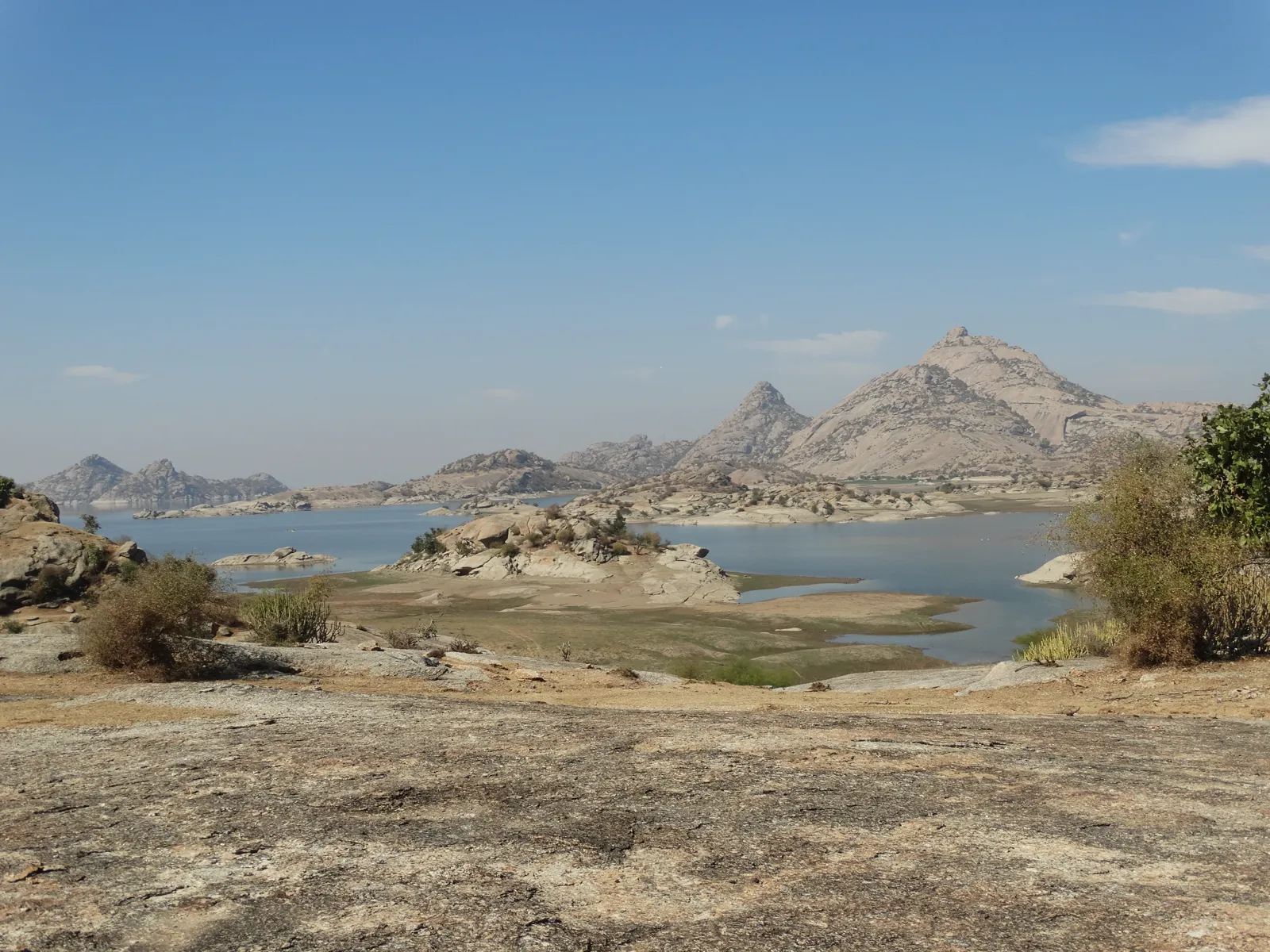
Most visitors come to Jawai for the leopards and stay for everything else. A safari takes up one morning or evening slot — the rest of the day is yours, and the region fills it well: a vast reservoir at sunset, wetlands full of winter birds, granite hills that glow at golden hour, temples, and villages where shepherds share the land with leopards.
Below is the full activity menu, each with honest guidance on who it suits and how long to give it. Pair these with the Jawai itinerary guide to fit them into 1, 2 or 3 days.
Leopard Safari
- Best for:
- Wildlife lovers, photographers
- Time:
- About 2–2.5 hours per drive
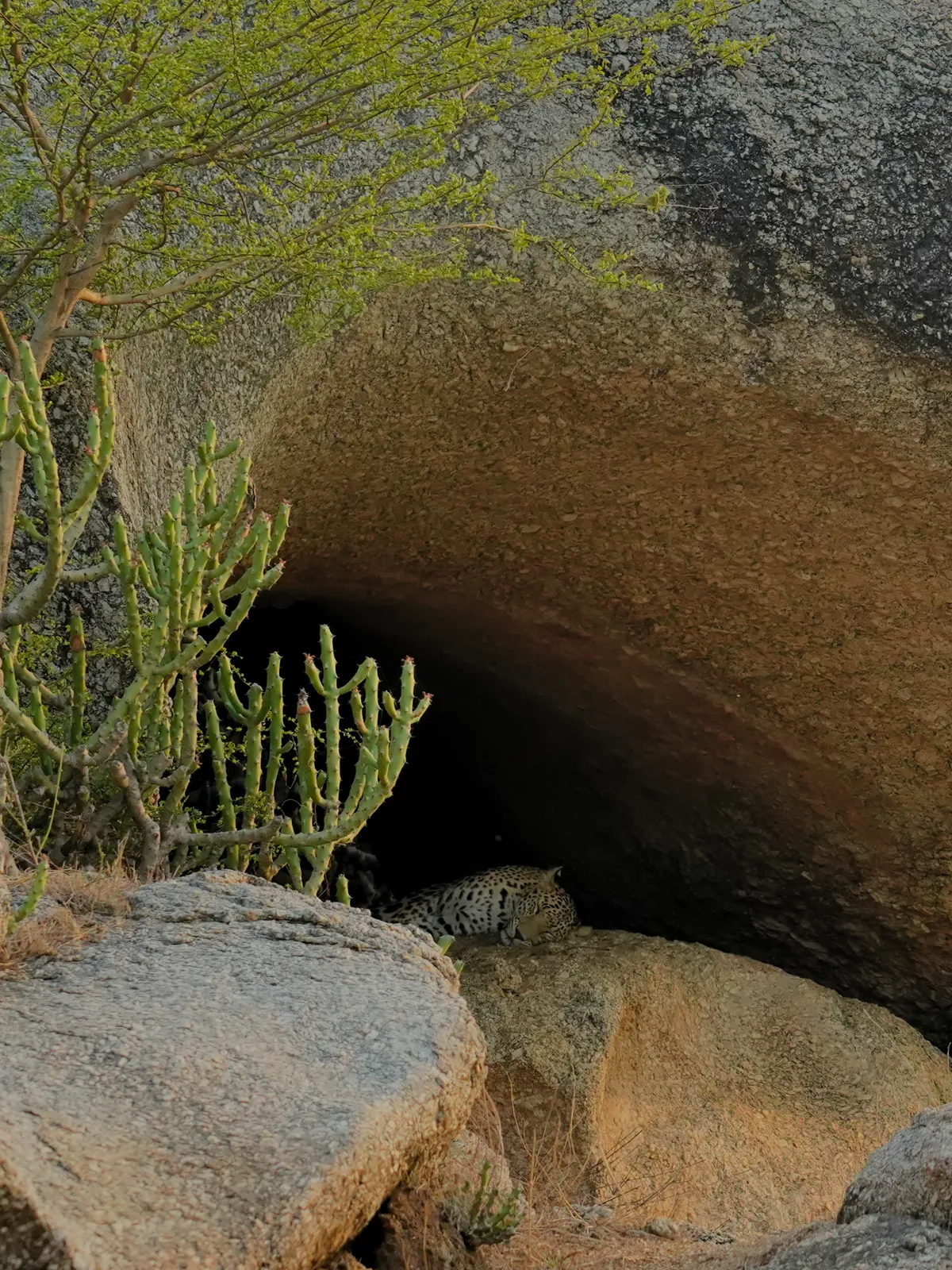
The headline activity: open-gypsy drives through the granite hills where leopards roam freely. Morning and evening slots, about 2–2.5 hours each, with trackers who read pugmarks and alarm calls.
Sightings are never guaranteed — this is open, unfenced country. Book through your stay or a local operator, and verify the current rate before paying.
Jawai Dam at Sunset
- Best for:
- Everyone — easy and scenic
- Time:
- A relaxed evening, 2–3 hours
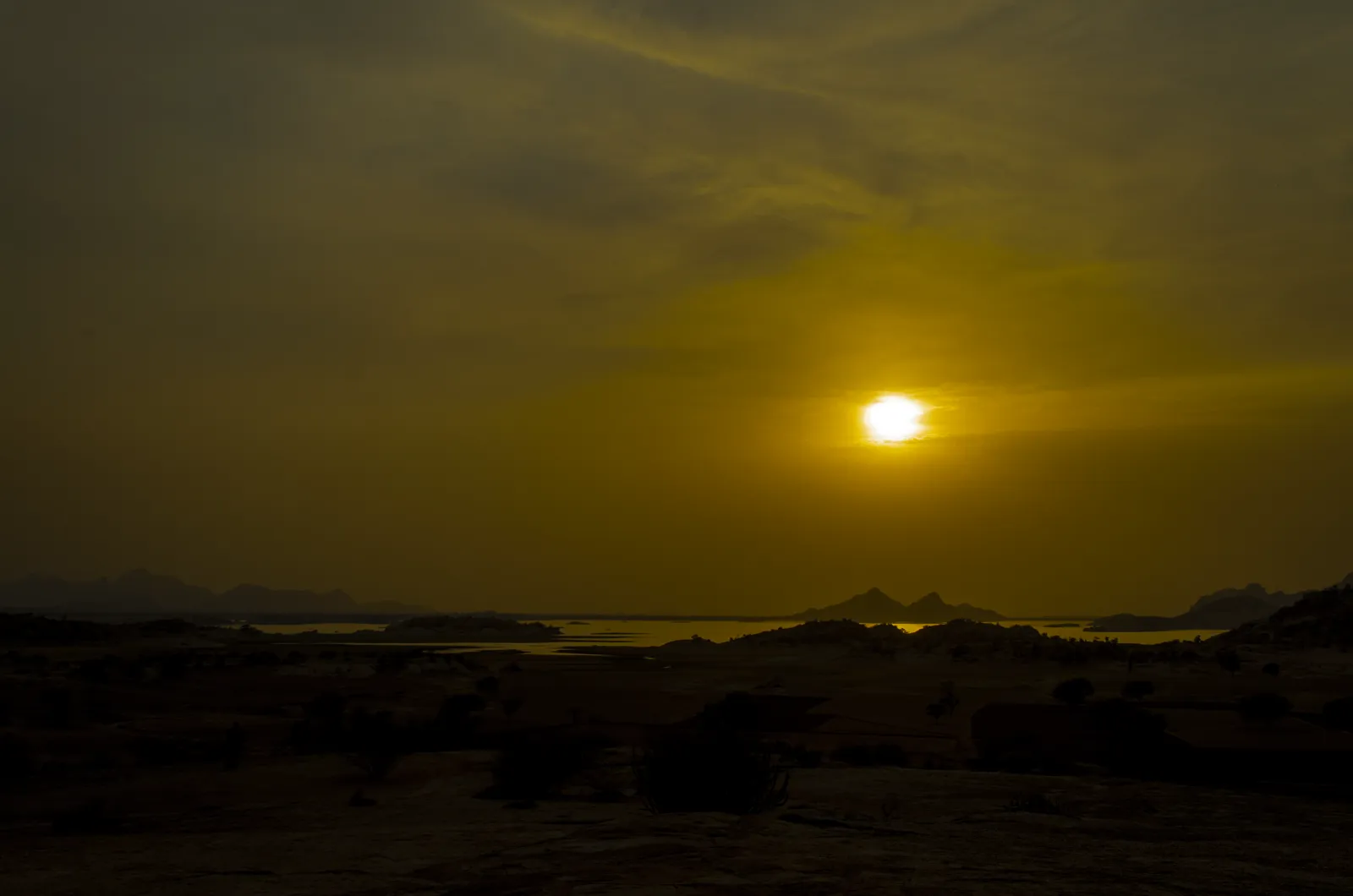
The large reservoir is Jawai's other landmark — wide water, long sunsets, and marsh crocodiles along the edges. Winter brings migratory birds: flamingos, cranes and pelicans may be seen when conditions are right.
Pair a dam evening with a morning safari for a balanced day. It's also the most accessible outing for travellers who'd rather skip the rough safari tracks.
Bird Watching
- Best for:
- Birders, slow travellers
- Time:
- Early mornings, Oct–Mar best
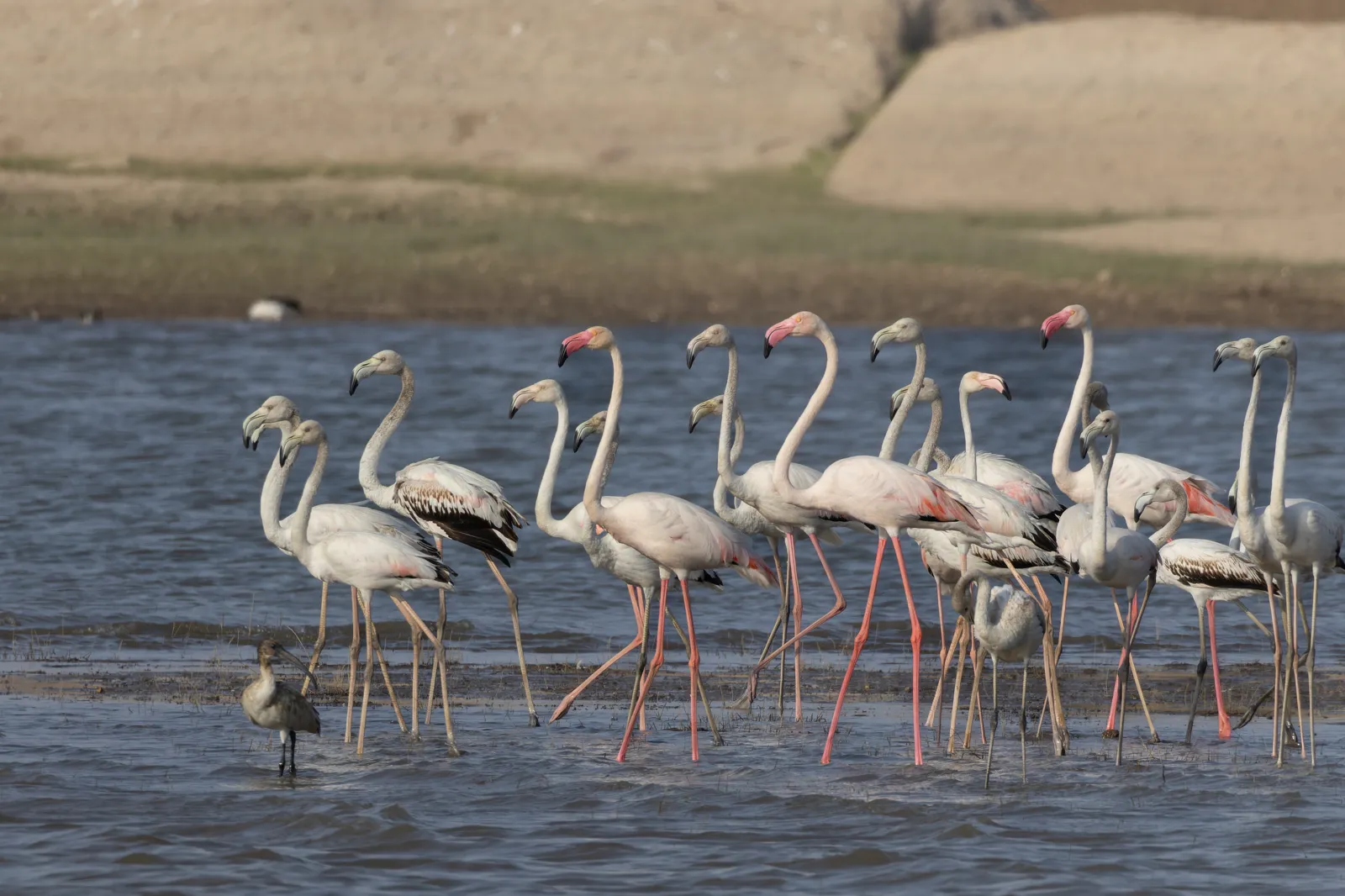
From October to March the dam edges and wetlands host migratory species alongside resident birds. Flamingos, demoiselle cranes and pelicans may be seen; the Indian peafowl is a year-round presence across the region.
Go early, keep distance, and carry binoculars — much of the birding here is patient observation from the water's edge.
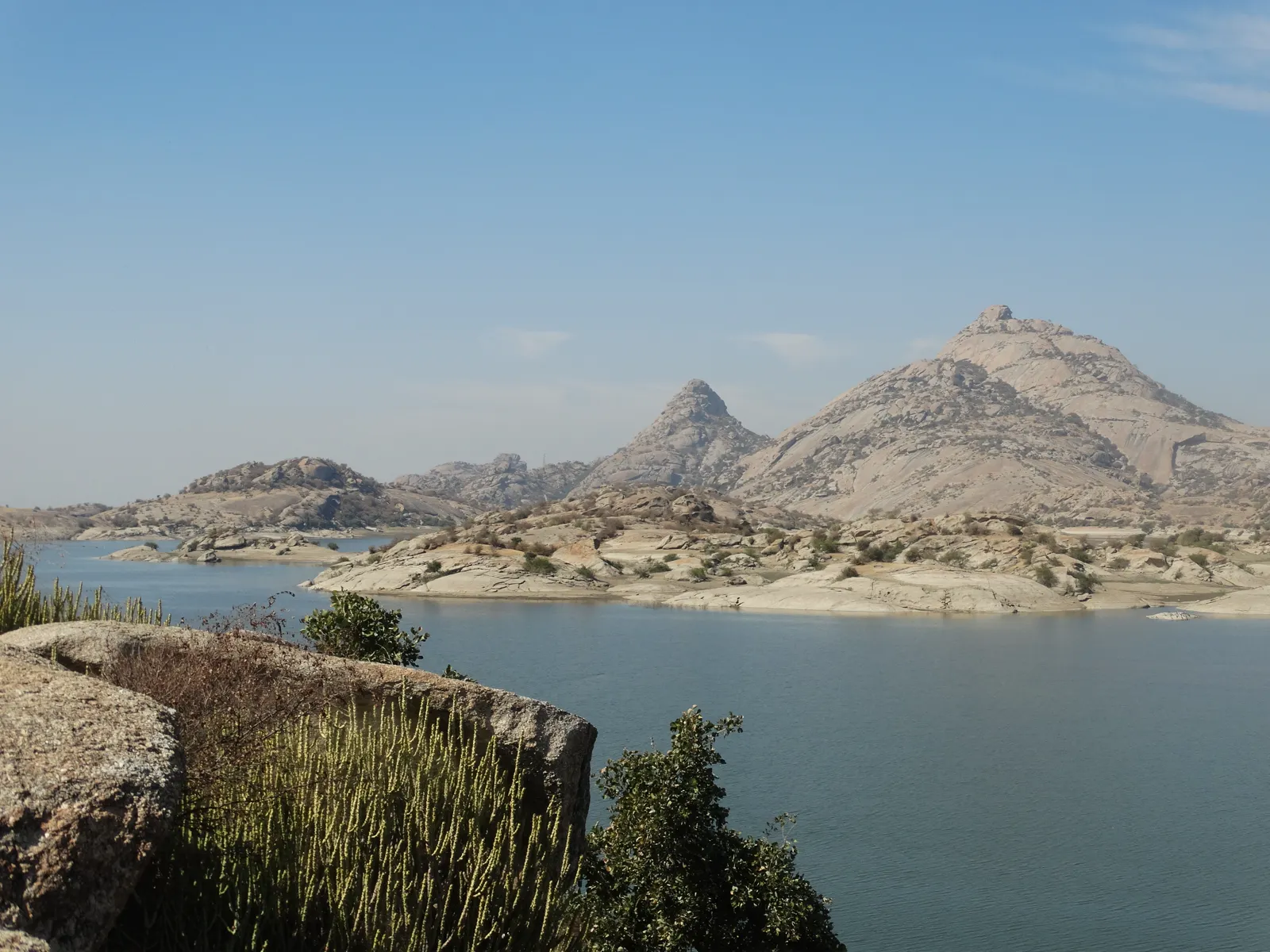
Granite Hills & Viewpoints
- Best for:
- Photographers, landscape lovers
- Time:
- 1–2 hours, best at golden hour
Jawai's landscape is its own attraction — massive granite domes and boulder fields rising from the plains, glowing at sunrise and sunset. Viewpoints and slow drives through the hills are worth scheduling on their own terms, not just as safari transit.
This is also the terrain the leopards call home, which adds a quiet thrill to simply standing among the rocks.
Temples of the Region
- Best for:
- Culture and heritage
- Time:
- Half a day, unhurried
Devgiri Temple is a noted temple in the Jawai region, and Kambeshwar Mahadev Temple sits near Sumerpur — both add a cultural counterpoint to the wildlife days. Visit in the cooler morning hours and combine with the Sumerpur side of your trip.
Dress and behave as you would at any working temple; these are places of worship, not photo stops.
Rabari Village Walks
- Best for:
- Cultural travellers
- Time:
- 2–3 hours with a local
The Rabari shepherd community has grazed livestock through leopard country for generations — the coexistence Jawai is known for is their daily life. A walk through the villages, ideally with a local, shows the pastoral side of the region.
Go with respect: ask before photographing people, keep groups small, and let a local lead the way.
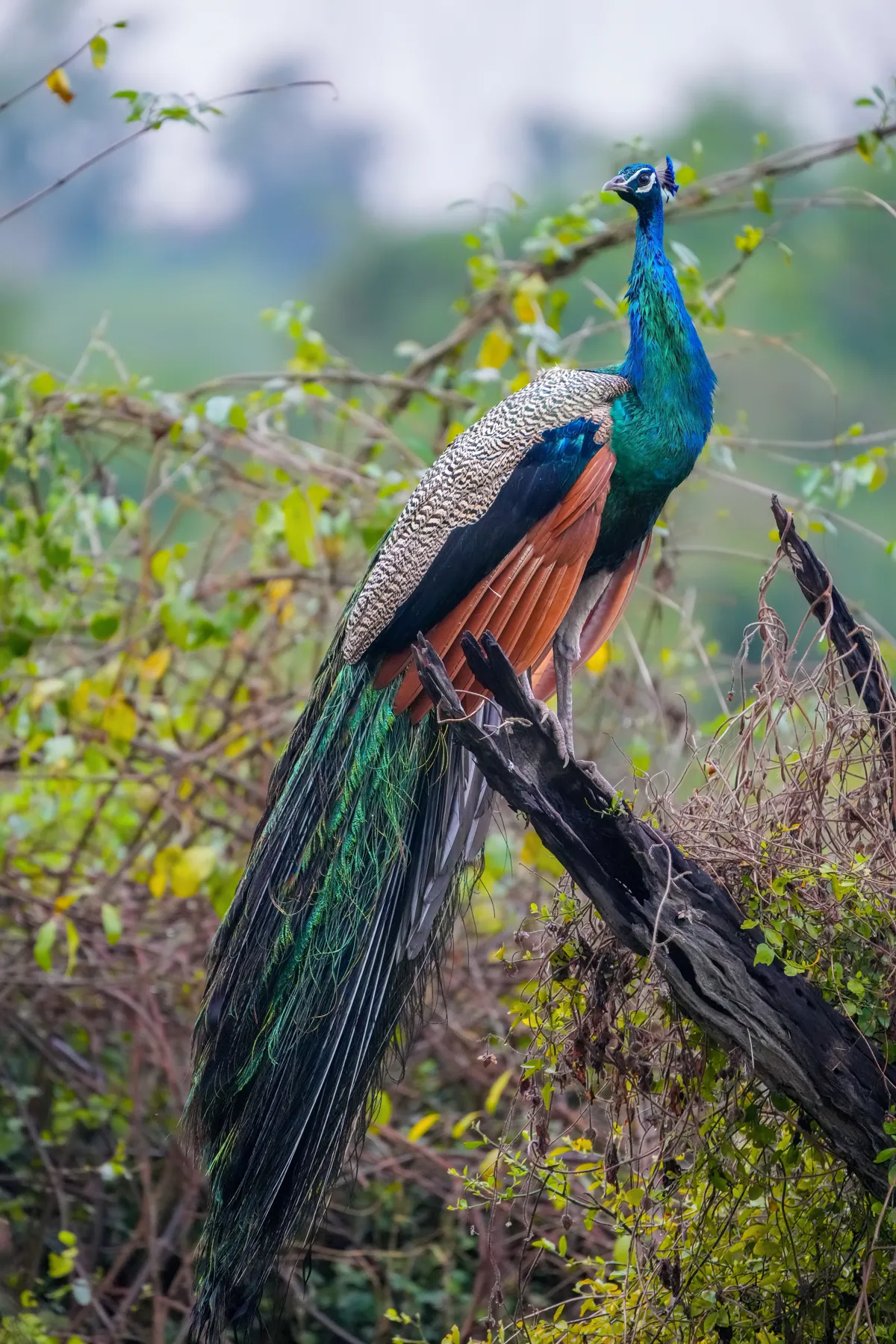
Wildlife & Landscape Photography
- Best for:
- Photographers of all levels
- Time:
- Golden hours, both slots
Jawai rewards cameras at both ends of the lens: leopards and birds at long range, granite landscapes and village life up close. Private safaris give you control over stops and waiting time — worth the extra cost if photography is the point of your trip.
A zoom lens or good binoculars changes everything here. And keep ethics in frame: no baiting, no crowding, no flash at close range.
Putting It Together
A comfortable rhythm: one safari slot per day, the dam at sunset on another evening, and the in-between hours for temples, villages or rest. Don't stack two rough safari drives and a long dam outing into one day — the heat and the early starts add up. The itinerary guide does this scheduling for you.
Planning where to base yourself for all of this? Explore rooms at The Jawai Niwas — a practical homestay base for safari mornings and dam evenings alike.
Planning Your Stay in Sumerpur?
Check availability and send a direct booking enquiry — our front desk confirms dates, room layouts, and verified tariffs with zero platform markup.
Related Guides & Information
Jawai Leopard Safari: Complete Travel Guide
Plan a Jawai leopard safari with essential tips on safari zones, morning and evening timings, Gypsy vehicles, and leopard sighting hotspots.
Jawai Dam: A Complete Visitor's Guide
Plan a visit to Jawai Dam in Rajasthan — magnificent dam gates, sunset viewpoint, crocodile basking spots, and migratory waterbirds.
Bird Watching in Jawai, Rajasthan
Guide to birding in Jawai Bandh wetlands — Flamingos, Demoiselle Cranes, Bar-headed Geese, Pelicans, and migratory raptors in winter.
Wildlife of Jawai, Rajasthan
Explore the unique ecosystem of Jawai — coexistence of Indian leopards, marsh crocodiles, striped hyenas, sloth bears and over 100 bird species.
Best Places to Visit in and Around Jawai
Explore must-see attractions around Jawai: Bera leopard hills, Jawai Bandh, Devgiri Temple, Kambeshwar Mahadev, and Rabari settlements.
Where to Stay in Jawai: Homestays & Resorts Guide
A realistic comparison of accommodation options in Jawai — budget homestays, mid-range guest houses and luxury safari camps.