
Jawai Dam: A Complete Visitor's Guide
The great reservoir of the Jawai region — sunsets, crocodiles and winter birds, and how to visit it well.
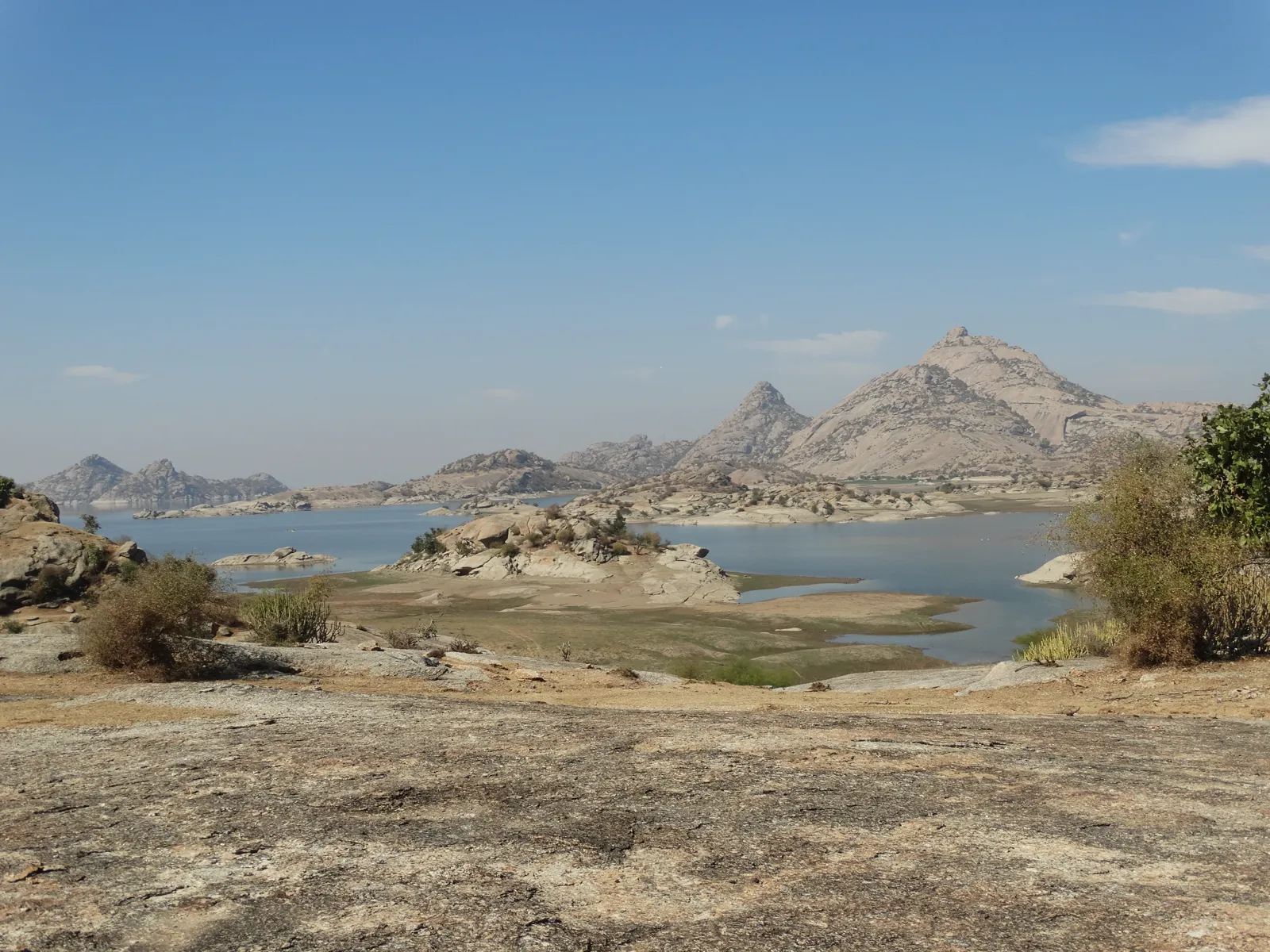
Jawai Dam is the region's great sheet of water — a large reservoir set against the granite country, roughly 13.9 km from The Jawai Niwas (approximately; verify locally). It is the counterpoint to the leopard hills: still water, long horizons, and an evening light that draws visitors back day after day.
Come for the sunset, stay for the wildlife. The reservoir and its edges are known for marsh crocodiles, and in the winter months the shallows host migratory birds — flamingos, cranes and pelicans may be seen when conditions are right.
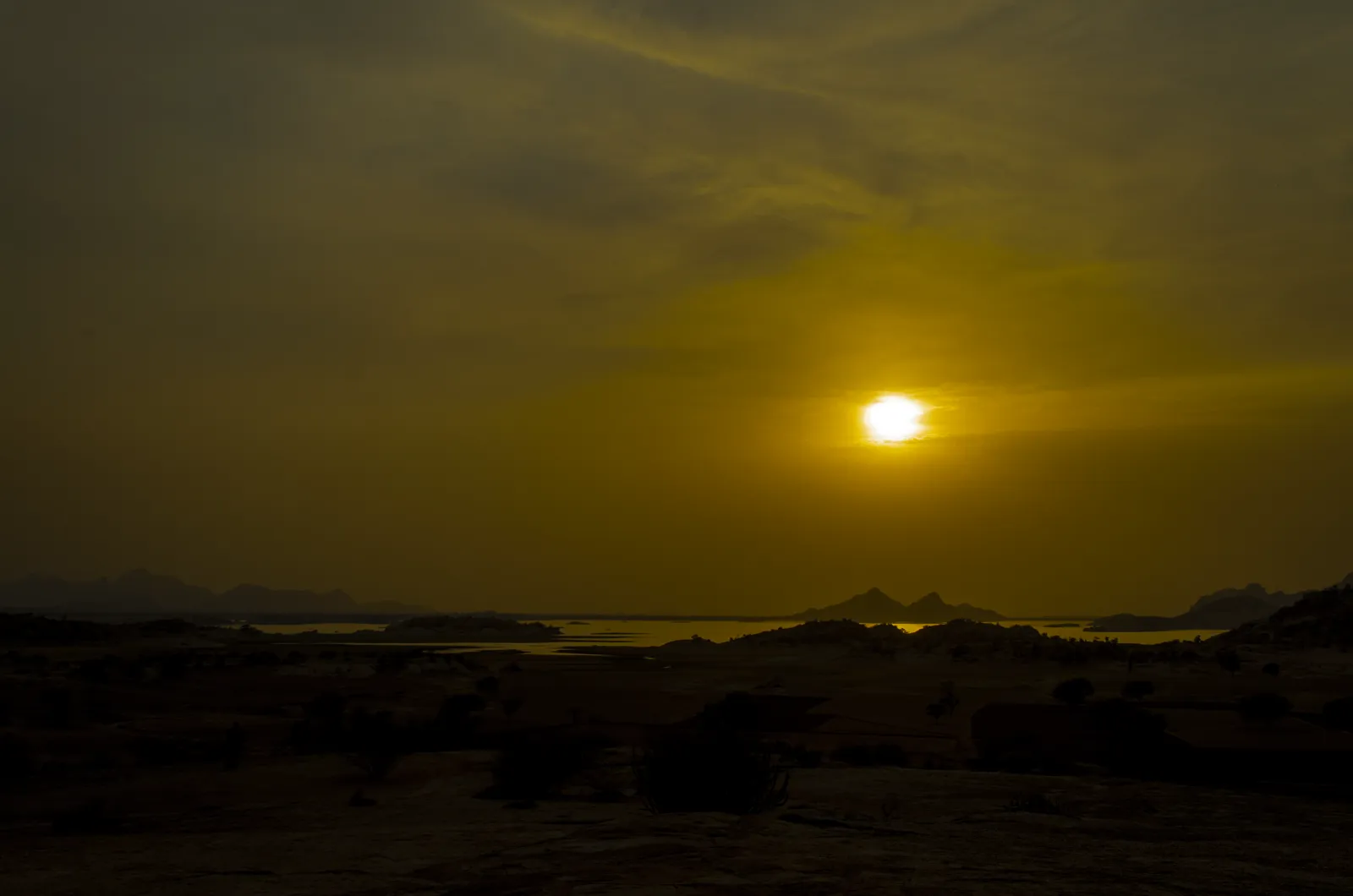
Sunsets Over the Water
The dam at sunset is Jawai's most reliable pleasure. The sun drops behind the far hills, the water takes the colour, and the granite country goes gold. It is an easy, undemanding outing — no rough tracks, no early alarm — which makes it the perfect second act after a morning safari.
Arrive well before sunset to find a good spot along the accessible edges, and stay a little after — the afterglow over still water is often the best part. Evenings here pair naturally with a relaxed dinner back at your stay; see the Jawai itinerary guide for how to fit the dam into your days.
Crocodiles of the Reservoir
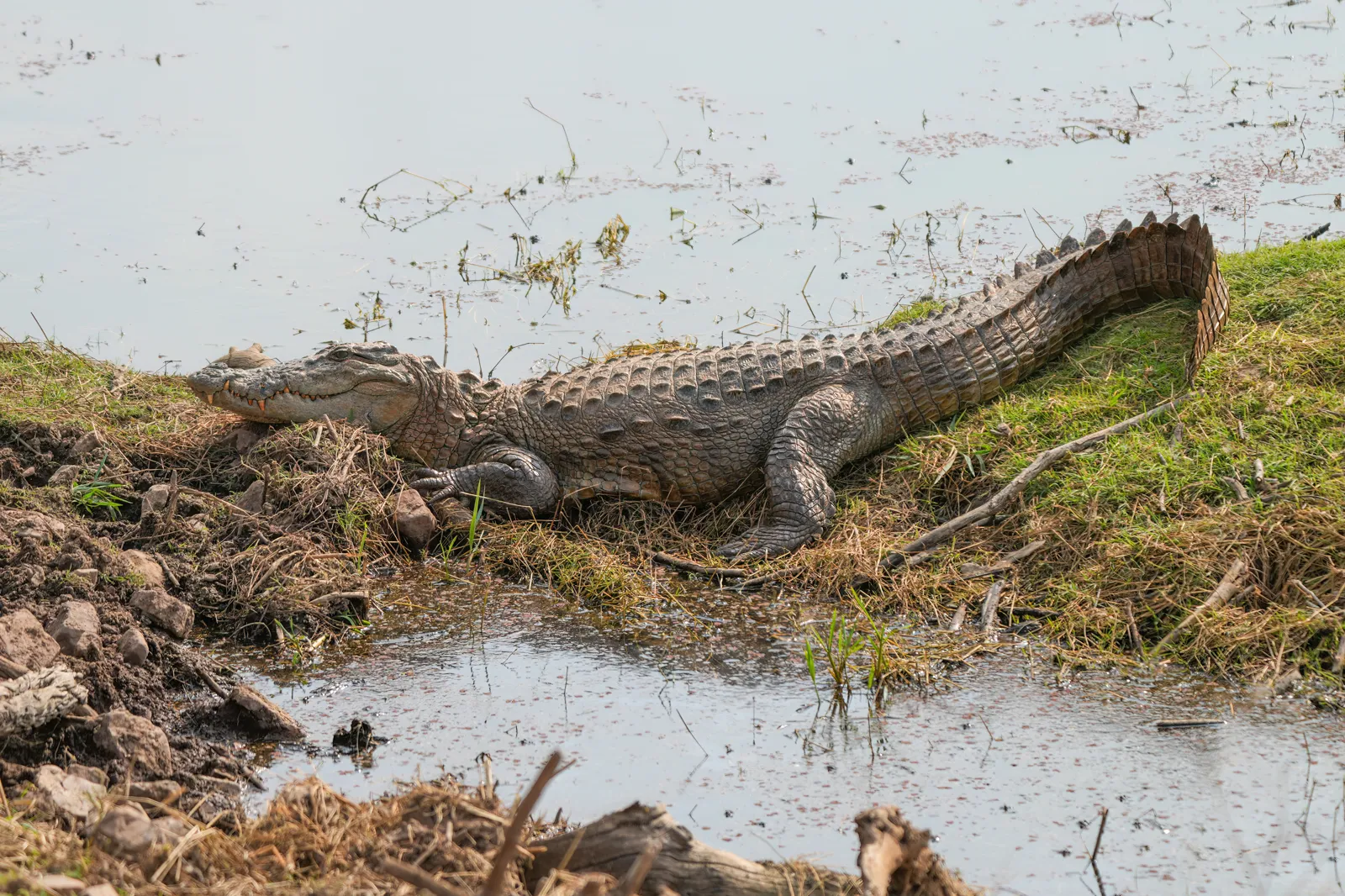
The Jawai reservoir is known for its marsh crocodiles. They are usually seen as basking shapes on the banks or as eyes and snout breaking the shallows — ancient, unhurried, and easy to miss if you are only watching the sky.
Treat them with full respect: keep a good distance from the water's edge, keep children close, and never enter the water. A dam visit is not a swimming spot — it is working wilderness with real predators.
Migratory Birds
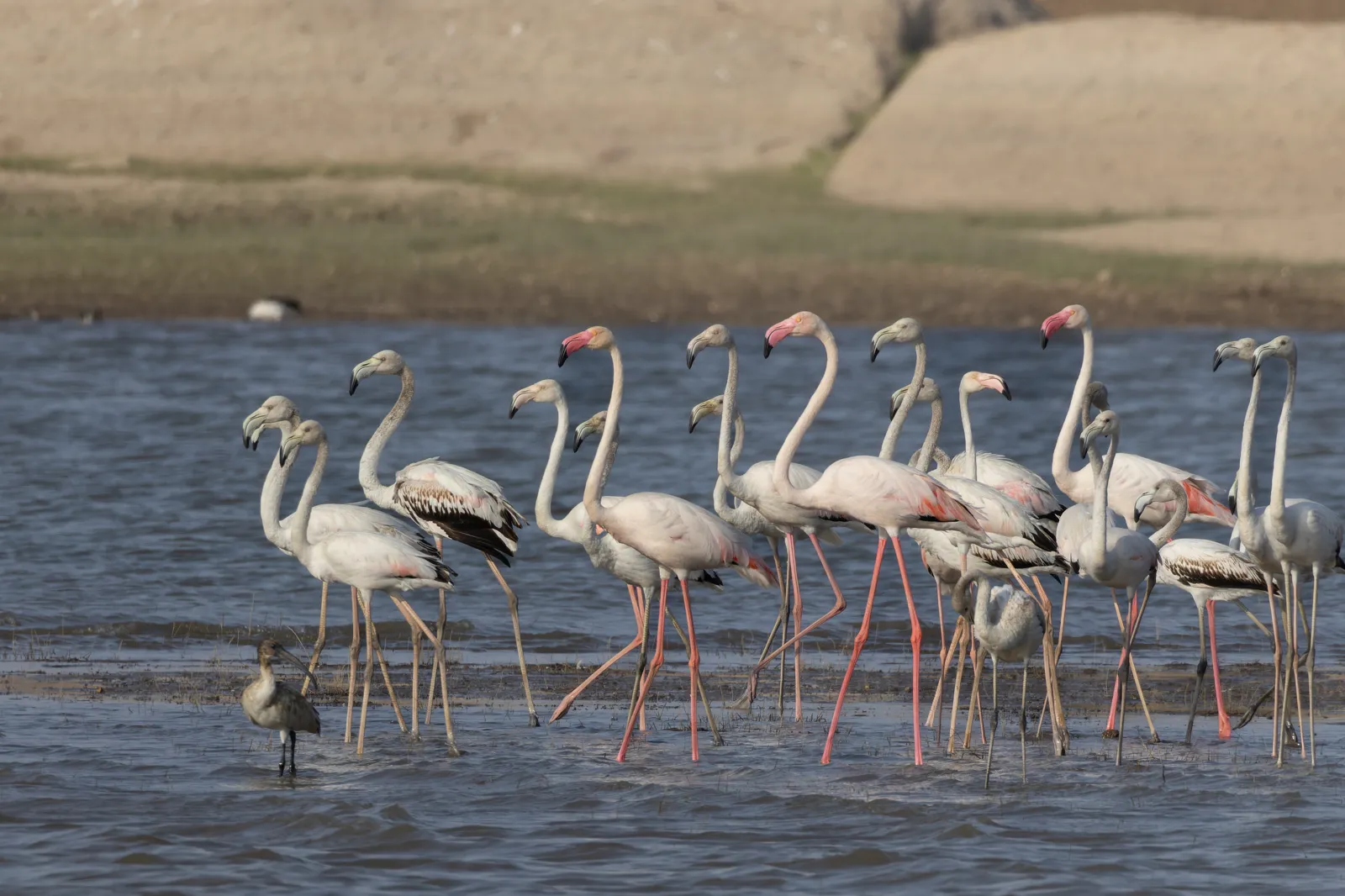
From October to March, the reservoir's shallows and surrounding wetlands become a wintering ground. Flamingos, demoiselle cranes and pelicans may be seen among the resident waders and waterbirds — the exact cast varies with water levels and the season, so nothing is guaranteed, but winter is unmistakably the birding season here.
Early mornings are best for bird activity. Carry binoculars, keep your distance from feeding flocks, and give the birds the shoreline — the bird watching guide has the full practical detail.
Visiting Practically
When to go. Evenings are the classic slot — sunset over the water, cooler air, crocodiles often visible on the banks. Mornings suit birders. Winter (October–March) combines pleasant weather with the migratory birds; summer evenings are still beautiful but the days are hot.
How long. Allow a relaxed two to three hours: time to arrive, walk the accessible edges, watch the light change, and not hurry the drive back. It fits neatly into an evening after a morning safari or a slow temple-and-village day.
What to carry. Water, sun protection, binoculars if you have them, and a camera for the sunset. There are no guarantees of facilities at the water's edge, so come prepared.
Getting there. The dam sits roughly 13.9 km from The Jawai Niwas (approximately) — an easy drive. Arrange transport through your stay or a local driver, especially for the return after dark.
Pair It With
- A morning leopard safari followed by a dam sunset — the classic Jawai day.
- Winter birding mornings at the wetlands — see the bird watching guide.
- A full day out combining the dam with nearby places to visit.
Staying nearby makes dam evenings effortless — explore rooms at The Jawai Niwas and plan a sunset into your trip.
Planning Your Stay in Sumerpur?
Check availability and send a direct booking enquiry — our front desk confirms dates, room layouts, and verified tariffs with zero platform markup.
Related Guides & Information
Top Things to Do in Jawai
Discover the best things to do in Jawai: Leopard safaris, crocodile spotting at Jawai Dam, sunset over granite boulders, village walks, and bird watching.
Bird Watching in Jawai, Rajasthan
Guide to birding in Jawai Bandh wetlands — Flamingos, Demoiselle Cranes, Bar-headed Geese, Pelicans, and migratory raptors in winter.
Wildlife of Jawai, Rajasthan
Explore the unique ecosystem of Jawai — coexistence of Indian leopards, marsh crocodiles, striped hyenas, sloth bears and over 100 bird species.
Best Places to Visit in and Around Jawai
Explore must-see attractions around Jawai: Bera leopard hills, Jawai Bandh, Devgiri Temple, Kambeshwar Mahadev, and Rabari settlements.
Where to Stay in Jawai: Homestays & Resorts Guide
A realistic comparison of accommodation options in Jawai — budget homestays, mid-range guest houses and luxury safari camps.