
Jawai Leopard Safari: Complete Travel Guide
How leopard safaris in Jawai actually work — the landscape, the vehicles, the wildlife, and honest expectations for first-time visitors.
Safari at a Glance
- Duration
- About 2–2.5 hours per safari
- Vehicle
- Open 4x4 gypsy, up to 6 people
- Summer slots
- Roughly 5–8 AM & 4–7 PM
- Winter slots
- Roughly 6–9 AM & 3:30–6:30 PM
- Private safari
- Typically ₹4,000–5,000 (approx.)
- Sharing seat
- Typically ₹1,000–1,500/person (approx.)
Prices and timings are indicative and subject to seasonal adjustments by certified local safari operators. Leopard sightings in open wilderness are not guaranteed.
What Makes Jawai Different
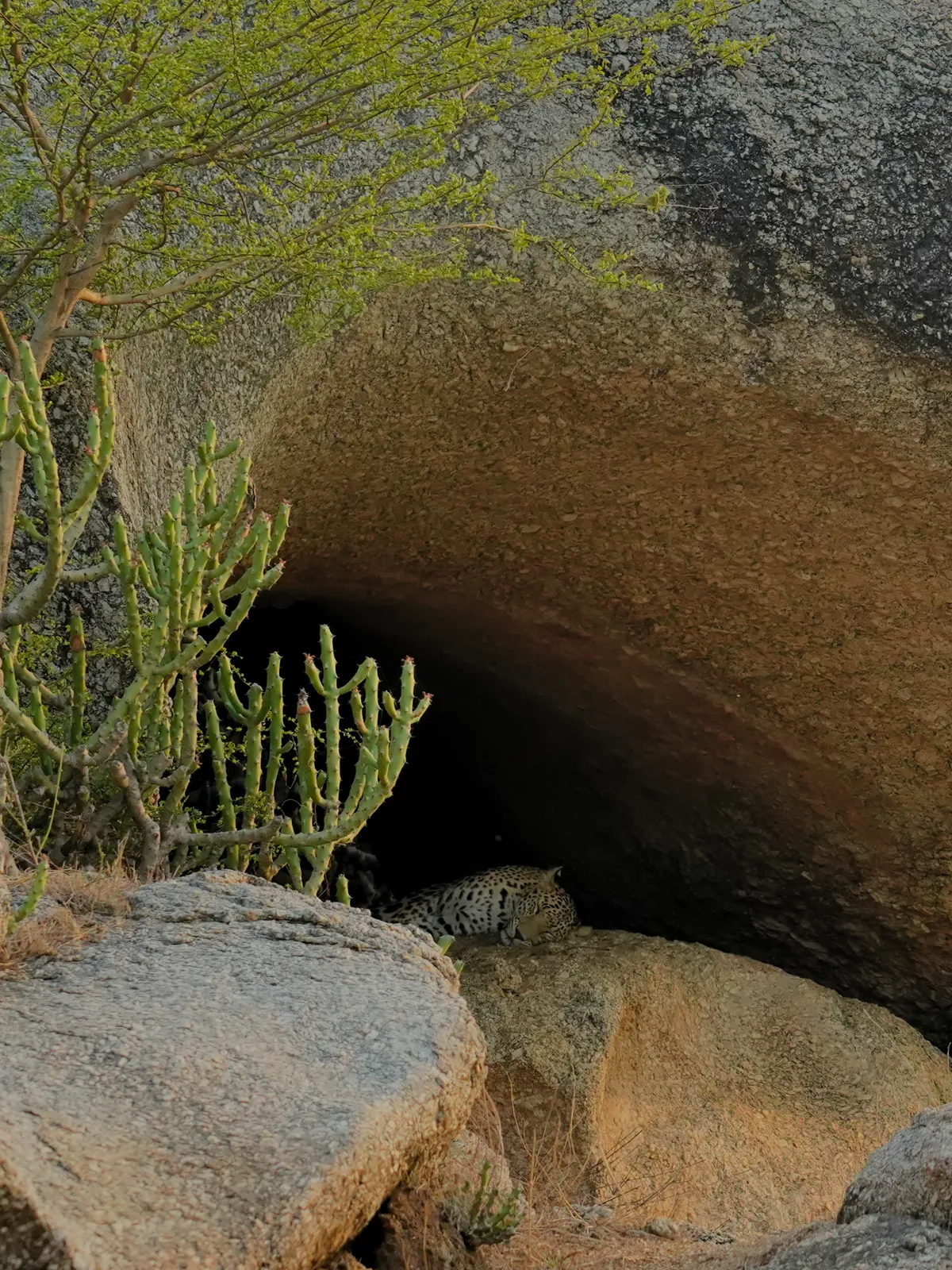
Jawai is not a fenced national park. There are no entry gates, no zones, and no controlled enclosures — leopards roam freely among the granite hills, scrubland and farmland, living alongside Rabari shepherds and village life. This coexistence is what Jawai is known for, and it makes the safari experience fundamentally different from a tiger reserve.
Drives follow rough tracks between massive granite rock formations — the natural shelter leopards use for rest and cover — through terrain shared with livestock, nilgai and birdlife. Your tracker reads the landscape the way locals have for generations: pugmarks on dust tracks, alarm calls from langurs, the behaviour of grazing animals.
Because the landscape is open, safaris here feel less choreographed than in a gated reserve. Routes shift with the day's signs, and the drive is as much about reading the terrain as reaching a destination. For a fuller picture of the region, see the complete Jawai travel guide.
How a Safari Works
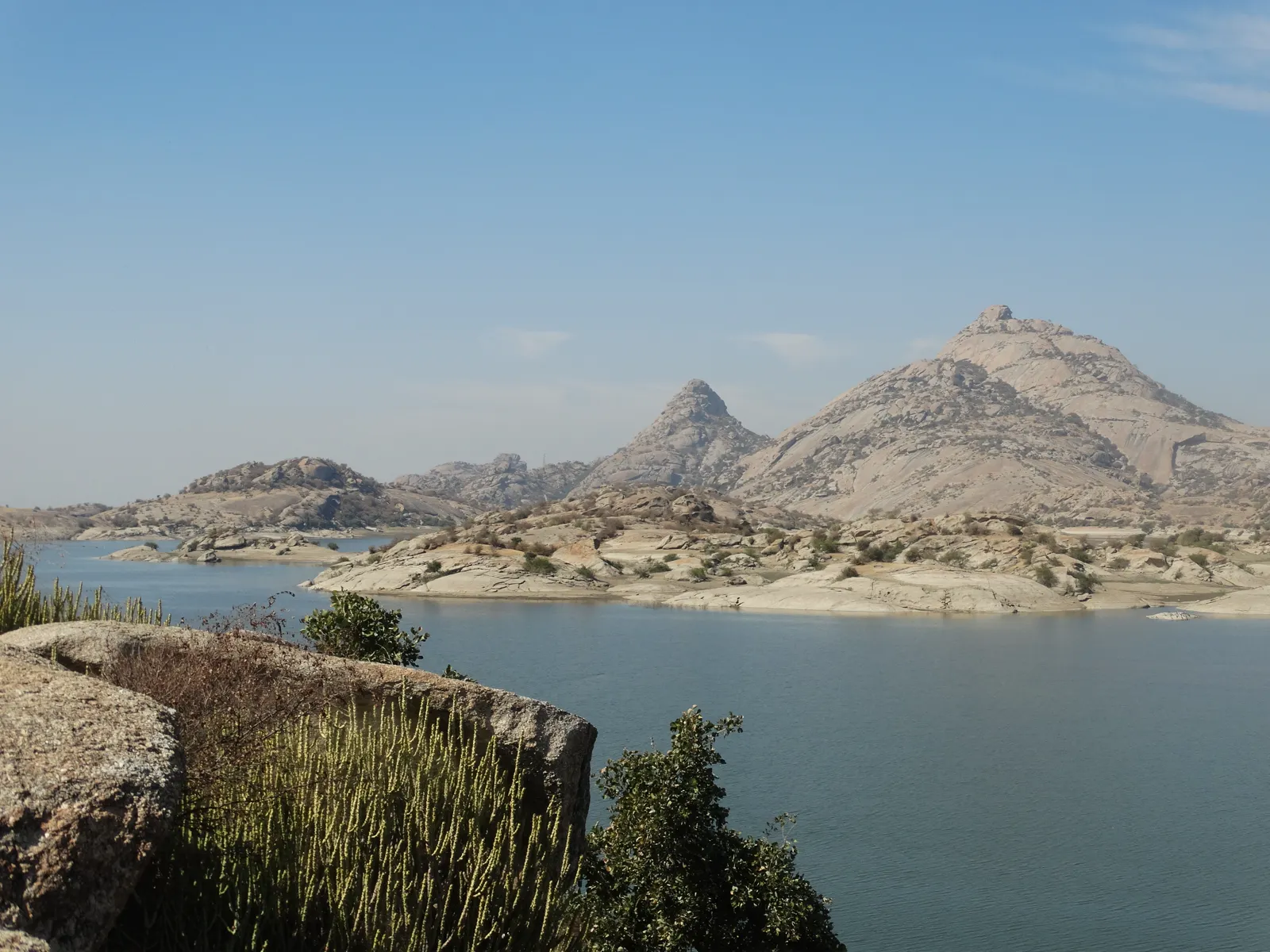
Safaris are arranged through local operators and stays, and run twice daily in open 4x4 gypsies. A typical drive lasts about 2–2.5 hours. Your driver-cum-tracker takes you through the rocky terrain around areas known for leopard movement — Bera is one of the well-known leopard areas near Jawai — while scanning for signs and listening for alarm calls.
Mornings tend to start early to catch the hours when leopards are still active before the heat sets in. Evening drives head out in the late afternoon and return around sunset. The exact rhythm depends on the season:
| Season | Morning slot | Evening slot |
|---|---|---|
| Summer | Roughly 5–8 AM | Roughly 4–7 PM |
| Winter | Roughly 6–9 AM | Roughly 3:30–6:30 PM |
Timings are approximate and shift with daylight and the season — confirm with your operator when booking.
Wildlife You May Encounter
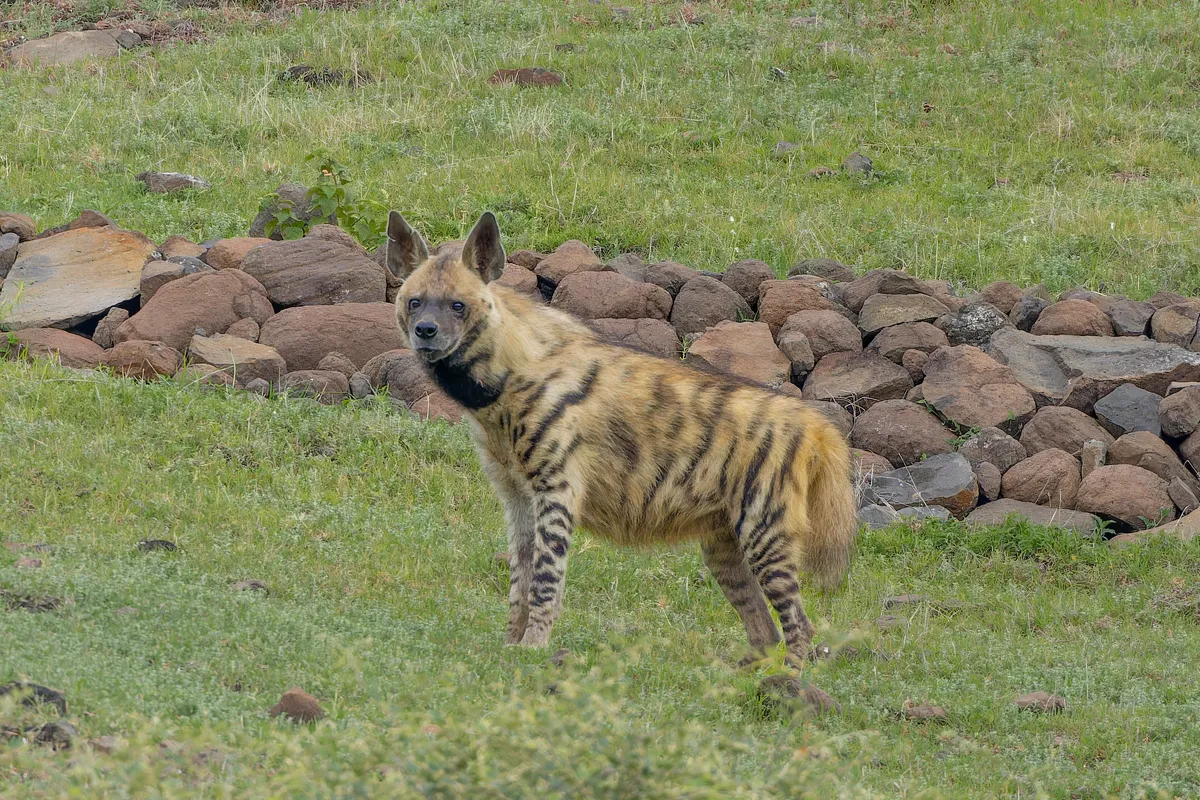
Leopards are the headline, but Jawai's landscape holds more. Striped hyenas and jackals move through the same terrain, sloth bears are occasionally encountered, and nilgai graze the open scrub. Around water — especially the Jawai Dam reservoir — marsh crocodiles and a rich mix of migratory birds appear in season.
For a closer look at the region's animals, read the Jawai wildlife guide. And remember the honest baseline: this is wild country, and sightings — of any species — are never guaranteed.
What to Expect on the Drive
Expect slow, bumpy driving over rough tracks, long quiet stretches of scanning rocky outcrops through binoculars, and sudden bursts of activity when a tracker picks up a sign. Trackers often stop to read pugmarks, listen for langur or peafowl alarm calls, and watch how grazing animals are behaving — these are the clues that shape the route.
The ride itself is part of the experience: open gypsy, wind, granite domes rising from the plains, shepherds moving their flocks through the same landscape. Even without a sighting, the terrain is worth the drive — but the honest truth is that some drives return with only tracks and stories. That is normal here, and any operator who promises a sighting is not being straight with you.
Booking Considerations
Private vs sharing. A private gypsy gives you control over pace and stops, and makes sense for photographers or families. Sharing a seat with other travellers costs less per person but follows the group's rhythm. Prices change by season and operator, so get the current figure confirmed before you pay — detailed ranges are in the Jawai safari cost guide.
When to book. In the October–March peak season, vehicles can fill up on weekends — booking a day or two ahead through your stay or a local operator is sensible. In the off-season, same-day arrangement is usually possible, but always confirm whether safaris are operating, especially in the monsoon months. See the best time to visit Jawai for seasonal guidance.
Ask what is included. Confirm the duration, the vehicle, whether the tracker or guide fee is included, and the pickup point before paying. Staying near the safari areas simplifies early-morning pickups — see where to stay in Jawai for practical guidance.
Practical Tips for the Drive
Dress in layers
Open-gypsy mornings are chilly in winter and warm by afternoon; muted colours are best around wildlife.
Carry water and sun protection
There are no shops on the trail. A cap, sunscreen and a water bottle go on every drive, in every season.
Bring binoculars or a zoom lens
Leopards are often spotted at a distance on rock faces — optics make the difference between a sighting and a story.
Keep quiet and stay seated
Noise and movement push wildlife away. Follow your tracker's instructions at all times.
Don't crowd a sighting
Crowding one animal stresses it. A responsible operator keeps distance — treat that as a sign of quality.
Plan around the slot
Morning safaris mean an early start; evening safaris return after sunset. Build rest and meals around your slot.
Planning the days around your safari? The Jawai itinerary guide lays out 1, 2 and 3-day plans with safari slots built in.
Leopard Safari Questions
Planning Your Stay in Sumerpur?
Check availability and send a direct booking enquiry — our front desk confirms dates, room layouts, and verified tariffs with zero platform markup.
Related Guides & Information
Jawai Safari Cost: What to Expect
Understand Jawai safari costs, open 4x4 Gypsy rates, sharing options, camera fees and booking tips for your wildlife excursion.
Best Time to Visit Jawai, Rajasthan
Month-by-month guide to Jawai weather, safari sighting probability, migratory bird arrivals and optimal travel months (October to March).
Wildlife of Jawai, Rajasthan
Explore the unique ecosystem of Jawai — coexistence of Indian leopards, marsh crocodiles, striped hyenas, sloth bears and over 100 bird species.
Bird Watching in Jawai, Rajasthan
Guide to birding in Jawai Bandh wetlands — Flamingos, Demoiselle Cranes, Bar-headed Geese, Pelicans, and migratory raptors in winter.
Jawai Itinerary: Plan Your 1, 2 or 3-Day Trip
Carefully crafted 1-day, 2-day, and 3-day Jawai tour itineraries covering morning safaris, Jawai Dam sunset, village walks and leisure.
Where to Stay in Jawai: Homestays & Resorts Guide
A realistic comparison of accommodation options in Jawai — budget homestays, mid-range guest houses and luxury safari camps.
Rooms & Suites at The Jawai Niwas
Explore 6 AC and non-AC room layouts at The Jawai Niwas in Sumerpur: Family Suites, 3-Queen Bed Rooms, and King Rooms with attached bathrooms.
Book Your Stay at The Jawai Niwas
Check room availability and send a direct booking enquiry for The Jawai Niwas in Sumerpur, Rajasthan. Direct host rates with 0% platform markup.